Why Use Natural Lip Balm: Advantages for Everyday Lip Protection
Natural Lip Balm Recipes for DIY Enthusiasts: Craft Your Own at Home
Making your own DIY natural lip balm is simpler than you might think. With just a few essential ingredients, you can make a product tailored to your taste. Picture the satisfaction of making a balm that not only nourishes but also reflects your personal style. If you're curious about the essential components and the process, keep going to discover how simple it is to start your lip balm journey.
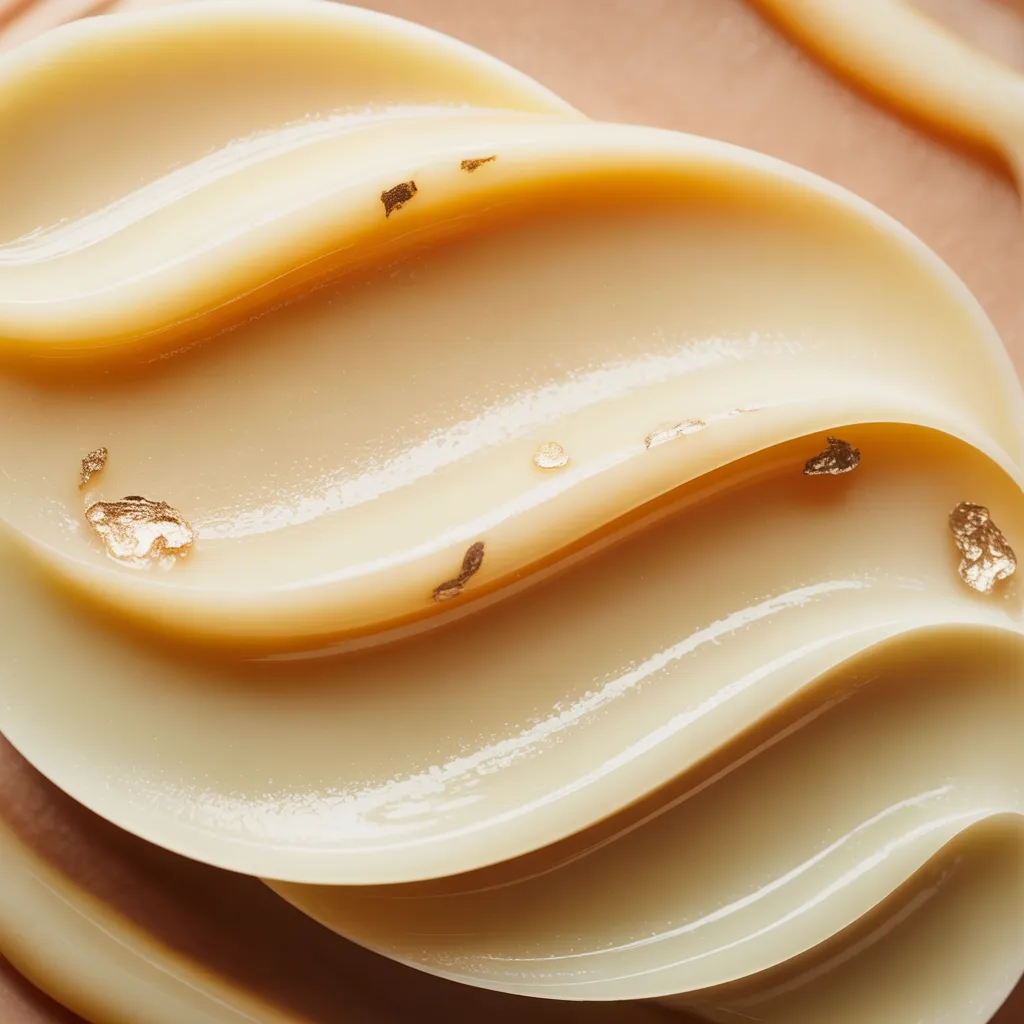
Why Go with DIY Natural Lip Balm?
When you choose DIY natural lip balm, you not only gain control over the ingredients but also ensure you're using products free from harmful chemicals. You can tailor your lip balm to suit your personal preferences, ensuring it looks and feels just right for you. Plus, creating your own balm can be a creative and fun experience, letting you to experiment with different flavors and textures. You might realize that it saves you money too, as store-bought options can be expensive. By making your own lip balm, you're also reducing waste from packaging, which is a small yet important step towards sustainability. All in all, DIY lip balm enables you to prioritize your health and the environment while indulging in a bit of self-care.
Important Elements for DIY Natural Lip Balm
Making your own natural lip balm means you'll want to know the key ingredients that make it powerful and pleasant to use. Start with a base of beeswax or a plant-based alternative like candelilla wax, which gives structure and stability. Next, include a copyright oil, such as coconut or sweet almond oil, to supply moisture and nourishment. For extra benefits, consider using shea butter or cocoa butter for additional hydration. Essential oils, like peppermint or lavender, can add fragrance and soothing properties, but use them moderately. Finally, a touch of honey or natural sweetener can boost flavor. By choosing top-quality natural ingredients, you'll create a lip balm that's not only successful but also a delight to use.
Step-by-Step Guide to Making Basic Lip Balm
Crafting your own lip balm is a straightforward and fulfilling process that can be accomplished in just a few straightforward steps. First, gather your essential ingredients: beeswax, coconut oil, and shea butter. Portion out one part beeswax, one part coconut oil, and one part shea butter. Next, heat these ingredients together in a double boiler over low heat, mixing until fully combined. Once heated, take it from heat and transfer the mixture into lip balm containers. Let it to cool and solidify, which generally takes about 30 minutes. Finally, label your containers if you wish and place them in a dry, cool place. Use your homemade lip balm, knowing it's created with dedication!
Innovative Aroma and Taste Combinations for Your Lip Balm
After crafting your basic lip balm, it's time to enhance it with pleasant flavors and scents that showcase your personality. You can blend essential oils like peppermint for a energizing kick or vanilla for a warm, comforting aroma. For a fruity variation, try adding a few drops of lemon or orange oil. If you're feeling adventurous, mix in some cinnamon or clove for a spicy scent. Don't forget about herbal notes—think lavender or rosemary for a calming touch. You can also explore natural flavorings like cocoa powder for a chocolatey treat or honey for a touch of sweetness. Just remember to keep your blends balanced, ensuring no single scent dominates the others. Enjoy creating your unique lip balm!
How to Customize Your Lip Balm Recipe
Though you may have a basic lip balm recipe down, customizing it can truly make it your own. Kick off by testing with different copyright oils like jojoba or sweet almond oil for added nourishment. You can also alter the beeswax amount for a harder or overview creamier texture, depending on your preference. To enhance the flavor, try adding essential oils such as peppermint or vanilla; just keep in mind to use them sparingly. For extra hydration, mix in a bit of honey or shea butter. Don't neglect to think about colors—adding natural colorants like beetroot powder can make your lip balm more visually appealing. Finally, keep notes on your adjustments so you can reproduce your favorite blends in the future!
Storing and Maintaining Your Lip Balm
Once you've customized your lip balm to your liking, it's crucial to prioritize how to store and preserve it correctly. Commence by placing your balm into clean, sterilized containers, such as small tins or lip balm tubes. Verify the containers are airtight to stop contamination. Place your lip balm in a cool, dark place, away from sunlight and excessive heat, which can lead to melting or spoilage. If you've used perishable components, consider placing your balm in the fridge to prolong its shelf life. Always tag your containers with the date you created them, so you know when to use them by. With appropriate storage, you can enjoy your homemade lip balm for many months!
Common Lip Balm Challenges and How to Resolve Them
Even top-quality DIY lip balms can encounter issues, but don't worry—most problems are easily corrected. If your balm becomes too hard, melt it down and add a little extra oil. For a balm that's too soft, try adding more beeswax. If you notice separation, it may not have cooled evenly; simply heat it again and stir well before pouring into containers. A gritty texture could mean incomplete melting of ingredients; heat it gently and mix well. Finally, if your balm feels greasy, reduce the amount of oil in your next batch. With these simple adjustments, you'll create a silky, nourishing lip balm that keeps your lips healthy and happy!
Your Questions Answered
Is It Possible to Use Essential Oils in Lip Balm?
Indeed, you can incorporate essential oils into lip balm! Make certain to pick skin-safe oils and add them conservatively. They'll bring lovely fragrances and benefits, enriching your lip balm experience perfectly. Happy experimenting!
What's the Duration of Homemade Lip Balm?
Homemade lip balm normally lasts from six months up to a year, depending on the ingredients you use. Preserve it in a dark, cool area, and always verify for any alterations in smell or texture before utilizing.
Is It Suitable for Sensitive Skin?
Yes, it's safe to use on sensitive skin, particularly if you pick natural ingredients. Simply try a small amount first, and if irritation occurs, cease use. Always make a priority of your skin's overall health.
Can Colorants Be Used in My Lip Balm?
Certainly, you're able to use colorants in your lip balm. Just make sure they're skin-safe and suitable for lip products. Natural alternatives including mica and beetroot powder will add lovely tints minus dangerous chemicals. Have fun experimenting!
Are There Any Allergies to Consider With Ingredients?
Yes, you should consider allergies when selecting ingredients. Common allergens like beeswax, shea butter, or essential oils can cause reactions. Make sure to test a small quantity and check with others if uncertain about particular ingredients.